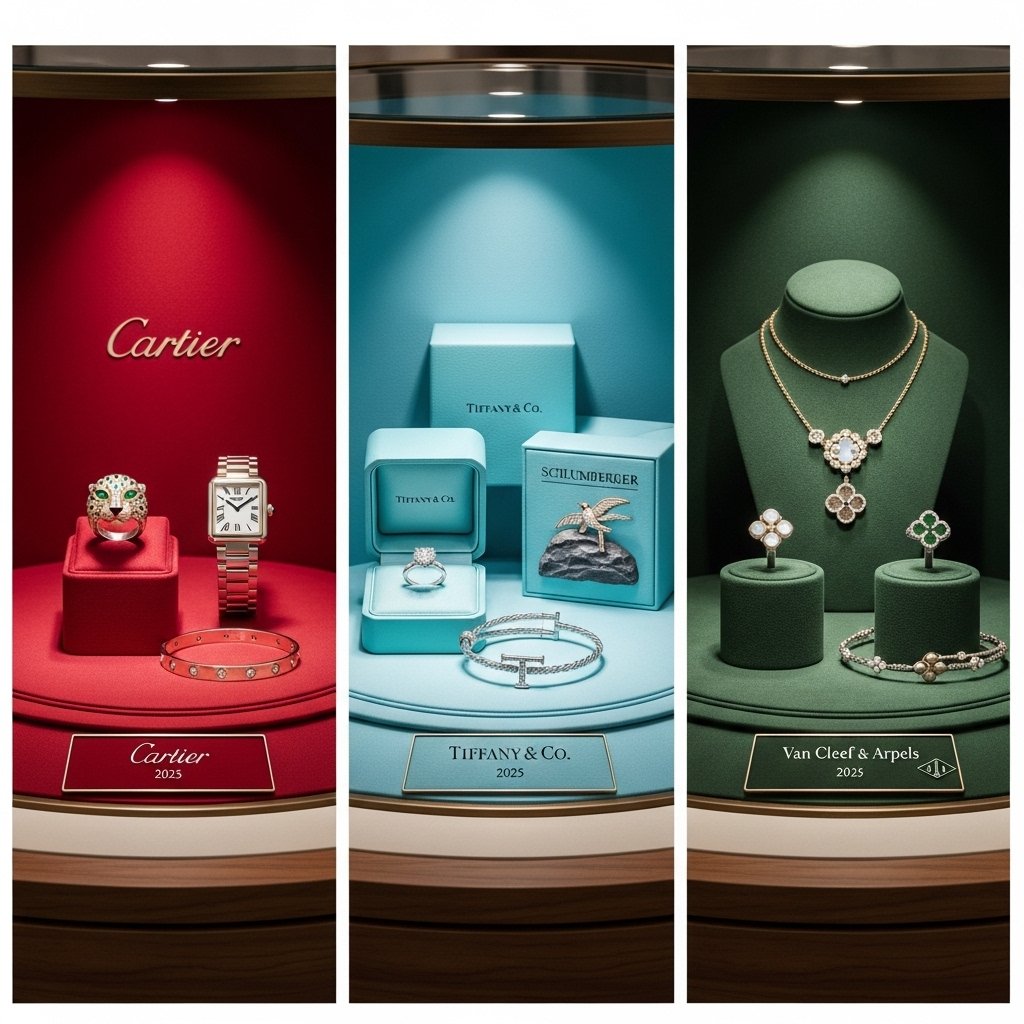
Van Cleef & Arpels dominates the luxury jewelry investment landscape in 2025, with pieces retaining an unprecedented 112% of their original retail value on average—meaning items actually resell for more than their purchase price. This represents a 9% increase from 2024, with the Sweet Alhambra collection leading the charge by holding 117% of its value. Cartier follows as a strong contender with 87% value retention, while Tiffany pieces maintain value primarily through vintage and limited-edition offerings.
Why Van Cleef & Arpels Leads Investment Returns
Van Cleef & Arpels has achieved what few luxury brands can claim: consistent appreciation above retail pricing. Between 2020 and 2025, the maison recorded an average 35% increase in auction value on the international market. The Alhambra collection specifically retains 80-90% of retail value across standard pieces, with discontinued materials like malachite commanding significant premiums. Vintage Alhambra from the 1960s-1970s routinely sells for double or triple original retail prices, appreciating at 12-15% annually. The brand’s jewelry sales jumped 11% in 2025, far outpacing the luxury sector’s 6% growth. Strategic price increases of 4.8% (U.S.) and 5.1% (Europe) in 2025 further protected pre-increase purchase values. About 90% of Alhambra pieces sell within 30 days of listing on secondary markets, demonstrating exceptional liquidity.
Cartier’s Investment Performance and Value Stability
Cartier maintains its position as a blue-chip jewelry investment, particularly within the Love and Panthère collections. The brand’s timepieces achieved 87% average value retention in 2025, with Santos watches reaching 92% retention—some models reselling at $8,840 against retail prices of $8,650. Cartier implemented a major 6.9% U.S. price increase in May 2025, with European markets seeing 6.6% hikes. The Love bracelet maintains exceptional demand in secondary markets, with well-maintained pieces offering strong return potential for sellers. According to industry reports, Cartier consistently ranks among top performers in fine jewelry retention, second only to Van Cleef in the Rebag Clair report. Both Cartier and Van Cleef benefit from belonging to the Richemont Group, which provides institutional stability supporting resale values.
Tiffany’s Position in Luxury Investment Hierarchy
Tiffany jewelry presents a more selective investment opportunity compared to its French competitors. The brand’s resale value depends heavily on rarity, with limited editions, vintage pieces, and high-quality materials (diamonds, platinum) performing best. Certain Tiffany pieces retain value comparably to Cartier, with the brand maintaining consistent secondary market demand thanks to strong recognition. Vintage Tiffany items, particularly rare engagement ring designs and unique necklaces, reach impressive auction prices and appreciate over time. The brand’s iconic status ensures pieces retain value better than non-luxury competitors, though standard catalog items typically experience higher depreciation than Van Cleef or premium Cartier pieces. Original packaging and documentation significantly boost resale value, sometimes adding substantial premiums to authenticated pieces.
Price Comparison and Entry Points
| Brand | Entry-Level Bracelet | Material | Retail Price (2025) | Resale Value Retention |
|---|---|---|---|---|
| Van Cleef & Arpels | Sweet Alhambra Single Motif | 18K gold, mother-of-pearl | $1,540 | 117% |
| Cartier | Love Bracelet (classic) | 18K gold | $5,000+ | 85-92% |
| Tiffany | Tiffany T Bracelet | 18K gold/sterling silver | $1,800+ | 70-80% (vintage higher) |
Van Cleef’s Sweet Alhambra collection offers the lowest entry point at under $2,000 while delivering the highest appreciation potential. Cartier’s Love bracelet starts around $5,000 but provides institutional-grade investment stability. Tiffany’s T collection bridges accessibility and prestige at $1,800+, though appreciation trails competitors. Buying pre-owned pieces can reduce acquisition costs by up to 50% while maintaining comparable investment returns.
Materials and Design Impact on Investment Value
Diamond pavé pieces command the highest resale premiums across all three brands, with Van Cleef’s diamond Alhambra showing exceptional appreciation. For Cartier, the 18K Rose Gold Diamond-Paved Small Model Love Ring saw a $650 price jump in 2025 (from $7,250 to $7,900), protecting earlier purchase values. Van Cleef’s discontinued materials—particularly malachite and certain gemstone variations—create artificial scarcity that drives collector premiums. Tiffany pieces featuring natural diamonds and platinum retain stronger value than gold-only designs. All three brands benefit from timeless, non-trend-dependent aesthetics, with iconic motifs (Alhambra clovers, Love screws, Tiffany keys) maintaining multi-generational appeal.
Market Liquidity and Selling Speed
Van Cleef pieces dominate liquidity metrics, with 90% of listings selling within 30 days—the fastest turnover among luxury jewelry brands. Cartier items benefit from universal recognition, making authentication and resale straightforward through established channels. Tiffany’s strong brand presence ensures consistent buyer interest, particularly for pieces with original blue box packaging. Peak resale seasons occur in fall and winter when luxury gifting demand surges, with Fall 2025 setting record prices for Alhambra collections. Auction houses regularly feature vintage Van Cleef and Cartier pieces in premier jewelry sales, indicating sustained institutional collector interest.
Investment Strategy Recommendations
For maximum appreciation potential, Van Cleef Alhambra (especially limited editions or discontinued materials) offers the strongest short-to-medium term returns, with pieces appreciating 12-15% annually. Cartier represents blue-chip stability for risk-averse investors, providing 85-92% value retention with lower volatility. Tiffany serves as a vintage play, where pre-1990s pieces and rare designs outperform standard catalog items significantly. All three brands benefit from regular price increases—buying before announced hikes protects value immediately. Prioritize complete sets with original packaging and authentication documents, as these command 15-25% premiums over bare pieces. Consider pre-owned acquisition to capture immediate 30-50% retail discounts while maintaining comparable appreciation curves.
Referensi
https://www.pursebop.com/cartier-2025-price-increase-incoming/
https://www.diamondbanc.com/insider-news/sell-your-tiffany-jewelry/
https://www.aucties.com/en/auction-guide/value-analysis/heres-why-van-cleef-arpels-jewelry-prices-are-skyrocketing-at-auction
https://romestation.ca/blogs/news/why-van-cleef-arpels-alhambra-is-one-of-the-safest-jewelry-investments
https://www.businessinsider.com/rebag-most-valuable-jewelry-watch-brands-on-resale-market-2025-12
https://romestation.ca/blogs/news/why-van-cleef-arpels-alhambra-jewelry-holds-exceptional-resale-value
https://sandrjewellers.com/blogs/journal/cartier-vs-tiffany-vs-van-cleef-jewellery
https://suttonsandrobertsons.com/articles/why-is-tiffany-so-expensive/